
Objectives
Built to offer participants a journey that helps them walk away with:
- A clearer sense of what to actually do next with AI, individually and organisationally
- Practical patterns for spotting opportunities and turning them into small, repeatable experiments
- A lived feel for what “real world” PoCs look like – including live building that feels within reach, not theoretical
- Insight into how to move from promising pilots to scaled, operationalised capabilities
- Fresh ideas on where Agents, Analytics and Automation can create near term value for customers, teams and offerings
- A shortlist of concrete, next year moves (and potential Sprint ideas) to take into Session 3 or back to their own organisation
Part 1
If Sunday asks whether your organization strategy is still fit for this AI age, Monday morning is about what to actually do next – individually and organizationally.
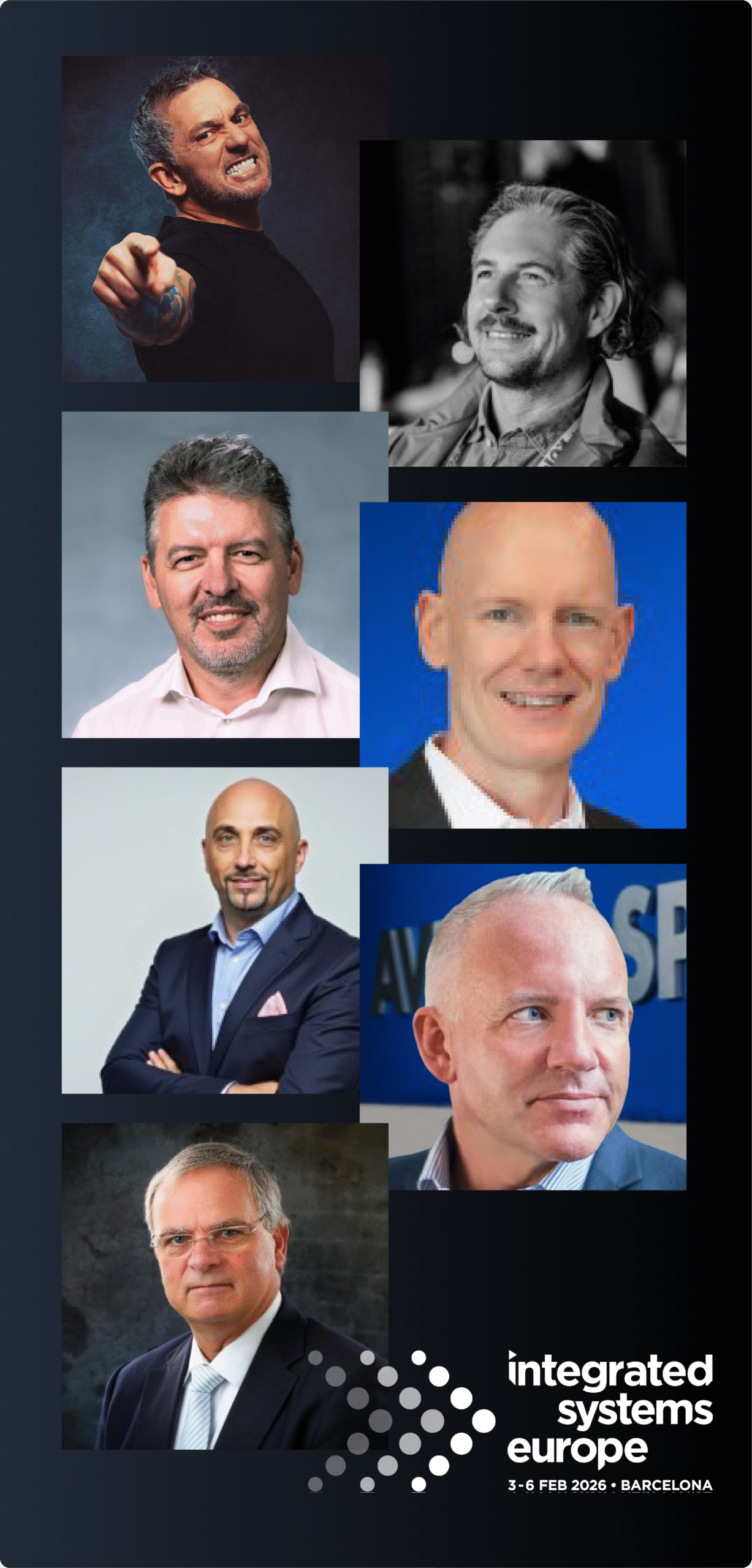
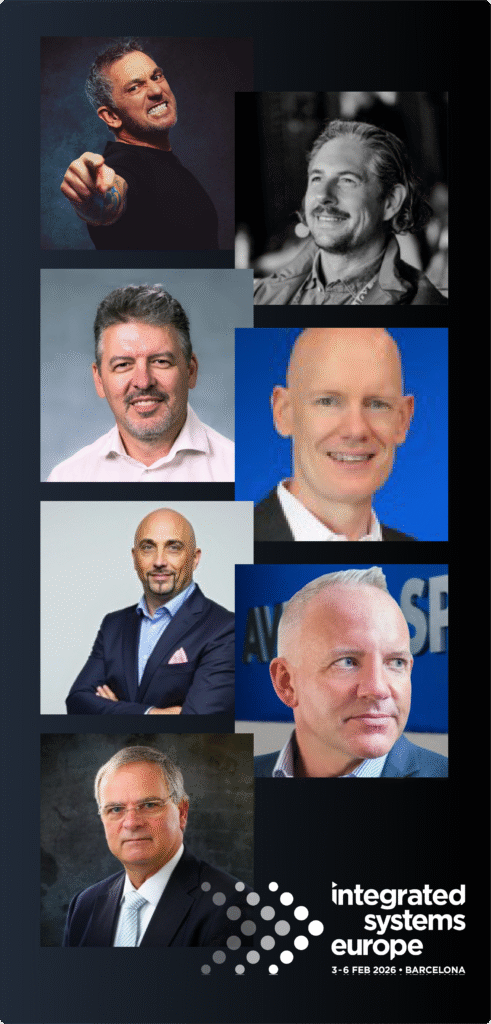
- We start with enablement – a shared foundation of language, mindset and skill for practical AI – with a high energy wake up call from international speaker, author and business model disruptor Richard Mulholland as he explains the concept of “Legacide”. “Legacide” is a call to actively hunt down and kill legacy thinking before it kills your relevance. Some of what made us successful in the past is now exactly what will hold us back, which means innovation is less about adding the new and far more about killing the old. Using tangible AV centric examples, he will show how leaders and teams can unhook from legacy assumptions without throwing away everything that still works.
- From there we move into experimentation as we unpack a real organisational case study that traces their organizational path from identifying opportunity, through reimagining “what might be” if they flipped some of the foundations of an existing model, to designing a concrete experiment. The focus is on illustrating the methods behind their creativity – how ideas are surfaced, tested and refined – so innovation feels repeatable rather than mystical.
- Then we move from talking to doing. This is the part many leaders and practitioners tell us they miss – watching someone actually build in real time – the way they themselves might do so in the future. We use short bursts of framing and live creation on stage to show what early experiments and proofs of concept really look like in practice, and actually build a tangible app within 30 minutes. Simple, contained efforts. Vibe coding that feels within reach. Ultimately it’s about enabling many small ideas to germinate within an organization with limited support, before selectively nurturing the ones that prove resilient.
- To complete the innovation journey, we look at operationalisation – that often messy stage where a promising concept now has to be scaled and integrated into real world operations. Through the eyes of an integration leader with a formal AI operationalisation role and mandate, we will hear lessons learned from scaling select AI initiatives across one of the largest integrators in the US. What changes for teams and processes, and how do you avoid the trap of a brilliant pilot that never makes it into normal work?
Break
A chance to fuel mind and body with a combination of coffee, carbs and conversation.
Part 2 (post break):
- After the break, we centre on the why, with a practical session on human centric design - building around people and their lived experience first, then around technology and space. With a global lens we explore how a user centric design philosophy can work across cultures and regions - respecting different ways of working while still creating coherent experiences across physical and digital touchpoints. The focus is in particular on designing with an eye to understanding AI’s hyper-personalisation potential, an important lens for which innovation bets to pursue next.
- With that human centric design foundation, we shift from method to tangible inspiration and possibility as we explore three “A’s” that offer some of the clearest near term opportunities for transformative change in AV and the modern workplace:
- Agents – digital collaborators that sit alongside humans in meetings, learning spaces and support workflows. With a view of the more proactive agentic capabilities announced recently from major platform players like Microsoft, Cisco and Zoom, we consider how agentic AI might change the very nature of why and how we attend a meeting or class.
- Analytics – AI powered insight that goes far beyond up or down status. Inspired by the progress in digital signage, we look at how better activity and outcome analytics will reshape accountability, business models and the way we design experiences across different AV contexts.
- Automation – the execution layer. We explore how the power of context from agents and analytics will transform the very foundations of control, service and workflow tools. With that understanding, we revisit the long running industry shift toward “standardisation”, and challenge what happens when AI allows both scale and hyper personalisation.
- The goal is to identify what these rapidly developing propositions might mean individually and collectively for your customers, your teams, and the products or services you deliver – next year, not next decade. It is exploring and innovating around these types of inspirations that will be the difference between surviving and thriving in this new era.
- To close the morning, we bring the room into the conversation. A short facilitated segment will open the floor for reflections, questions and challenges – what surprised you, what reinforced what you already suspected, and where you now see concrete opportunities or risks in your own world. This is a chance to harvest the best thinking in the room, not just from the stage.
- For those joining the afternoon innovation Sprint session, this wrap up becomes the bridge. The ideas, tensions and “what ifs” surfaced in this session will feed directly into the sprint briefs and working teams, powering some of the first explorations, experiments and prototypes that emerge from eXplore ISE ’26. For those not staying on, the same reflections hopefully become sparks to your own starting point – a set of near term moves you can take back to your organisation and begin testing as soon as you return home.